Author: Gerhard

  • Podcast: Episode 3 – View From The Top

    Introduction

    In this heart-pounding episode of the MaakselPrep Podcast, meet Karen, a millennial living the high life in a luxury city condo—until a week-long power outage turns her world upside down. From waking up to no coffee or cell service to facing hunger, isolation, and rising violence in her gentrified neighborhood, Karen’s story exposes the dangers of normalcy bias and unpreparedness. As her haven becomes a trap, hear her regrets and lessons learned in this vivid tale of societal unraveling. Visit MaakselPrep.com for gear to fortify your life, and like, share, and subscribe for more stories that prepare you for the unexpected.

    Episode Transcript

    View from the Top: Karen’s Story

    Hey, it’s Karen. I’m sitting here in my condo, and it’s day seven of this power outage. I never thought I’d be telling a story like this, but I want to share what I’ve been through—what I’m still going through. Maybe it’ll help someone out there. Maybe it’ll help me make sense of it all.

    I live in a luxury condo in the heart of the city—a high-income millennial’s dream. Fitness center, pool, coffee shop, bike room, co-working space, movie room, even a dog wash. My boyfriend, Mark, and I moved in a few months ago, thrilled with the amenities and the vibe. It’s in a rough part of town, sure, but with great restaurants and very diverse. The building has good security, a concierge and keycard access. I always felt safe inside, like the world outside couldn’t touch me, wasn’t relevant. Preparedness? Never crossed my mind. Why would it? I had Grubhub, just-in-time delivery, and a fridge full of luxury foods. I worked hard for it.

    That all changed a week ago.

    Day 1: The Morning After

    I woke up to silence—no AC hum, no night light. My phone wasn’t charged, Ipad dead. I tapped it, annoyed, then realized the power must’ve gone out overnight. Mark was still snoring—we’d been at a roof deck party, drinking and laughing, perhaps too buzzed to notice the lights flickering.

    I shuffled to the kitchen, craving my usual coffee. The machine was lifeless. Downstairs, the coffee shop was shut, a sign scrawled: “Closed due to power outage.” I groaned. No coffee, no eggs—just cereal with lukewarm milk. Mark woke up, shrugged. “It’ll be back soon,” he said. I nodded, hopeful. A minor glitch, right? Normalcy bias, they call it—assuming things will always stay fine because they always have. I didn’t think twice about what might be happening. Empty pantry, dead phones….

    But hours passed. No power. No cell service. No internet. The TV was a brick, the speakers silent. I felt cut off, irritated. “This is ridiculous,” I muttered. Mark suggested checking the management office, but it was locked, deserted. The city outside looked weird—dark, quiet, confused. Still, I thought, It’s temporary. It has to be.

    Day 2: Cracks in the Facade

    Day two, still no power. The faucet trickled—barely enough to fill a bottle. Friends in the building packed up, heading to family out of state. “Come with us,” they urged. “Nah,” I said, “we’ll ride it out.” Mark agreed. We thought we were tough, that the city would bounce back. Classic denial—assuming our bubble couldn’t burst.

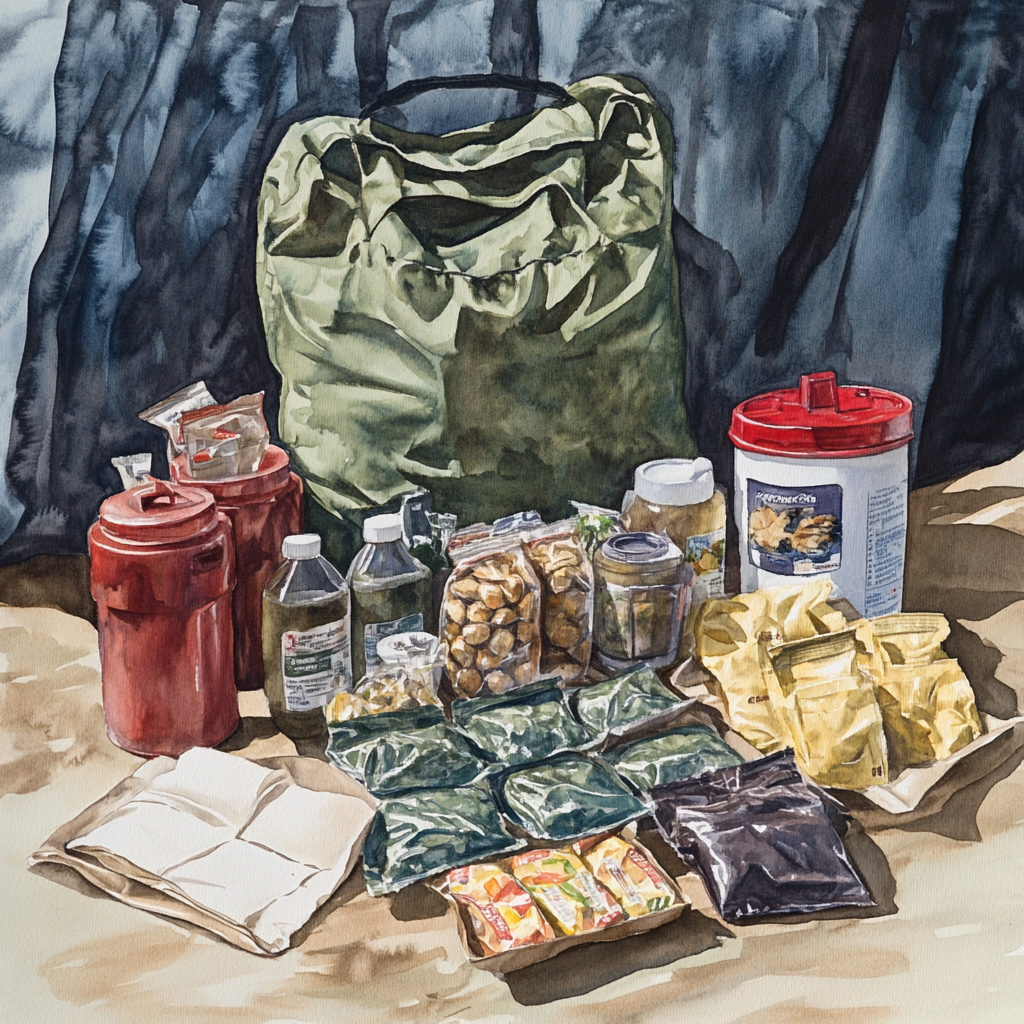
    But the streets turned tense. I saw people lugging bags, heard rumors of looting. From our window, I watched a group smash a store window. My stomach knotted. We decided to ration or food. A few cans of soup, avocados, bananas and crackers. At least we had a few bottles of wine I thought. But it hit me: we had no stockpile. Nothing if this draws on. No plan. I’d always scoffed at “preppers”. Now I envied those that stocked up.

    Day 3: The Heat and the Hunger

    The condo became a sauna—humid, suffocating. I missed my AC, my phone, my routine. Hunger gnawed at us. The fridge was a warm tomb, food spoiled. Outside, I saw a fight over bottled water—shouting, fists. Gunshots echoed later. “We’ll be fine,” Mark said, but his eyes betrayed him. I wasn’t so sure anymore. “Should we try and get out? Perhaps leave after dark? But where would we go?”

    Day 5: Mark’s Gone

    Mark left on day five. “I’ll find food,” he promised, kissing me. “Stay safe.” I watched him go, fear clawing at me. He didn’t come back. Hours stretched into night. I was alone, jumping at every creak. Neighbors wouldn’t answer their doors—many had fled. The building felt like a ghost town. The roof deck empty.

    Day 7: The Nightmare

    Now it’s day seven. No food, no water, no Mark. I’ve seen things—violence in the streets, people with bats and knives. The concierge is long gone, no real security apart from glass doors. Last night, I heard glass shattering downstairs. Perhaps someone trying to break in. I barricaded my door with a chair, useless as it is. I don’t own a gun, never thought I’d need one.

    I’m out of everything. No way to call for help. I saw a man get jumped for a backpack yesterday—shocking, brutal. This isn’t the city I knew, or is it? I hear screams now, footsteps in the hall. They’re coming up the stairs, pounding on doors. Desperate voices shout for food, water… Shouting for bodies, distraction, anything they can get there hands on. I’m shaking, hiding, regretting.

    I regret it all. Ignoring the world around me. Relying on delivery. Relying on fragile systems. I could afford stocking up, having some food. I regret thinking the condo’s security would save me. I was so naive, so caught up in my perfect life—coffee runs, rooftop parties, luxury. Now it’s gone, and I’m stuck in this apocalyptic mess. A victim in this new world…

    No, I’m not a victim, I’ll get through this. I’ll survive. Hide for now and make it out tonight. I’ll change. When this is over it will be different. I’ll be prepared, I’ll be informed, I’ll be ready. I’ll learn to protect myself.

    I hear them at my door now, knocking, yelling. I clutch my dead phone.

    Don’t wait like I did. Normal can vanish fast. Get ready—because when it’s gone, it’s too late.

    Useful Links & Resources

    • Emergency Food
    • Water Storage
    • Backpack
    • Powerbank
  • Podcast: Episode 2 – For When Trouble Come Knocking

    Introduction

    In this episode, John shares his journey of securing his suburban home against rising crime, focusing on strengthening his front and exterior doors. From simple upgrades like swapping out screws for longer ones to installing a high-security storm door and a floor-anchored barricade, John walks us through practical, accessible steps to make your home a fortress. He explains how to balance robust security with easy emergency exits, offering tips you can apply at any budget. Perfect for anyone looking to boost their home’s safety in uncertain times. Tune in for a friendly, no-nonsense guide to protecting what matters most!

    Episode Transcript

    I’m sharing my experience from my suburban neighborhood, where crime has been on the rise lately; burglaries, home invasions, you name it. It’s 2025, and with the news filled with reports of break-ins, I felt compelled to act. My front door and other exterior doors are the main entry points for intruders, so I decided to focus on fortifying them. I’m not a security expert, but I’ve done my homework, and I’ll walk you through the steps I took, from the simplest to the most involved.

    Step 1: Strengthening the Door Assembly with Longer Screws and Blocking

    I started with the easiest upgrade, something anyone can do with a screwdriver and a drill. Most doors come with short screws, maybe 3/4-inch long, that barely hold the hinges and latch to the frame. I swapped them out for 3-inch structural screws; #8 or #10 gauge works great. These dig deep into the wall studs, making it much harder for someone to kick the door in. It’s a small change, but it makes a big difference in anchoring the door assembly securely to the framing. Consider predrilling holes if you are concerned about splitting the existing studs or frames.

    I also checked for gaps between the door frame and the wall. In my case, there was a small gap, which could let the frame split under force. To fix this, I added 3/4-inch plywood as blocking behind the frame, ensuring it was solidly anchored to the studs. If you’ve got a bigger gap, you could use 16-gauge steel or another sheet metal for extra strength. This step is critical because a weak frame can make even the best locks useless. All you need is a drill, screwdriver, and maybe a chisel to fit the blocking.

    Step 2: Upgrading to High-Quality, Pick-Resistant Locks and Deadbolts

    Next, I tackled the door hardware. My old locks were flimsy and easy to pick, so I replaced them with high-quality, pick-resistant locks with anti-pick pins. These have extra mechanisms inside that make them much harder to manipulate, giving intruders a tougher time. I also installed a single-cylinder deadbolt that extends at least 1 inch into the frame, making it much tougher to force open. If your door doesn’t have a deadbolt, you need one—trust me. I went with brands like Schlage or Kwikset, which are known for reliability and security. Check the lockset rating when you consider options. This step significantly boosts your door’s resistance to intruders trying to pick or pry their way in.

    Step 3: Installing a Larsen Platinum Storm Door for Enhanced Security and Efficiency

    To add another layer of protection, I installed a Larsen Platinum Storm Door. This isn’t your average storm door; it’s designed with security in mind. It has a 1-7/8-inch thick, heavy-duty aluminum frame that feels solid when you open and close it, and it’s rust-resistant, which is great for longevity. The multi-point locking system secures the door in three places, making it a tough barrier to breach. It can also come with a stainless steel wire screen For energy efficiency, I opted for the Low-E glass option, which reduces air and water infiltration, helping with heating and cooling costs. Installation was a breeze since it comes pre-assembled—just needed a drill and screwdriver, and I was done in under an hour. The door was rather heavy, so consider getting a friend to help when installing it.

    Step 4: Adding Slide Bolts for Extra Locking Points

    For good measure, I added slide bolts to my main door. These are simple devices you slide into place at the top and bottom of the door, adding extra locking points. They’re easy to install and give you another layer of protection, especially when paired with the storm door’s multi-point locks. It’s a quick way to beef up security without a big investment.

    Step 5: Fortifying with a Door Reinforcement Kit

    Even with the storm door and upgraded hardware, I wanted my main door to be nearly impenetrable. That’s when I found door reinforcement kits. I chose a kit that includes steel plates for the door frame, hinges, and lock area. These plates are made of 16-gauge galvannealed steel with a powder-coated finish for corrosion resistance, so they’re tough and durable. The kit has a 46-inch jamb shield to protect the strike plate area, two 4-inch door shields for the lock area, and two 12-inch hinge shields to prevent tampering. Installation took about 30 minutes with a drill and the 17, 3-1/2-inch self-tapping screws included. You’ll want to make sure the kit matches your door’s size; mine’s a standard 1-3/4-inch thick door; and check that you can fit two quarters between the door and frame when closed for proper clearance. This makes a huge difference when it comes to door kick-ins since it protects your frame from splitting.

    Step 6: Adding a Night Lock Security Door Lock for French Doors

    My French doors in the living room were a weak spot, especially since they don’t have a deadbolt. To fix that, I installed a NIGHTLOCK floor-anchored barricade made of solid, extruded aluminum. It is anodized for durability. You mount a base plate to the floor with 2-inch screws and anchors, which work on tile, marble, or concrete. When you’re home, you slide a locking handle into place, creating a barrier that can reportedly withstand 1,100 pounds of force. It’s perfect for double doors or any door where a deadbolt alone isn’t enough, and it’s also suitable for single doors and sidelight doors. Just make sure you have about a 1/2-inch to 2-inch gap between the door and floor for installation. It’s for interior use only (obviously).

    Step 7: Balancing Security with Egress Needs

    One thing I kept in mind throughout was making sure I could still get out quickly in an emergency, like a fire. All my upgrades: locks, storm doors, night locks; are designed to be easily disengaged from the inside. For example, my deadbolt has a thumb-turn on the inside, so no fumbling for keys. The storm door and slide bolts are quick to unlock, and the NIGHTLOCK can be removed in seconds. I also checked local building codes to ensure compliance, as some areas have strict egress requirements to prevent trapping occupants. It’s all about finding that balance between keeping intruders out and being able to escape if you need to.

    Step 8: Considering a Steel or Impact-Rated Door

    My current solid wood door is holding up well with the reinforcements, but I considered upgrading to a steel or impact-rated door for maximum security. These doors are often 16-20 gauge steel or fiberglass and meet other technical standards for impact resistance. They’re pricier; anywhere from $500 to $2,000 depending on features; but they’re much stronger than wood doors and can withstand significant force. They’re common in commercial or high-risk settings, but they’re also great for homes in risky areas. For now, I decided to stick with my reinforced wood door, but it’s good to know the option is there for the future.

    Step 9: Securing Windows in or Near the Door

    One of my doors has a large window, which could be a vulnerability. To address this, I applied an security film, to make the glass harder to break. It’s like a strong, clear sticker that holds the glass together even if it’s shattered, deterring intruders. For those with higher budgets, ballistic glass (Level 1-3) or polycarbonate panels are options, though they’re often overkill for residential use. If you have sidelight windows next to your door, apply the film there too—they’re often the first thing an intruder might target. Professional installation is recommended for films, but DIY is possible with care, ensuring all glass near entry points is protected.

    Additional Strategies for Home Security

    Beyond doors, there are other ways to enhance home security. For example, installing motion-activated security cameras can monitor entry points, while motion sensor lights deter nighttime intruders. A monitored alarm system adds peace of mind, alerting authorities if something happens. I also keep my landscape trimmed and well-lit to reduce hiding spots around my home, making it harder for someone to approach unnoticed. These steps, combined with door security, create a comprehensive defense.

    By taking these steps, I’ve significantly improved the security of my home, giving me confidence in an increasingly uncertain world. Whether you’re just starting to think about home security or looking to upgrade your current measures, I hope this detailed account provides you with practical ideas and inspiration. Also, I’m learning, so feel free to share your thoughts in the comments.

     Remember, preparedness is key, and taking proactive steps like these can make a big difference in keeping your home safe. Start with the basics and work your way up based on your budget and needs. Stay safe, and take action to protect what matters most so you can be confident when trouble comes knocking at your door.

    Useful Links & Resources

    • Locksets
    • Storm Door
    • Window Film
    • Ballistic Glass
    • Nightlock
  • Podcast: Episode 1 – Five Days In The Dark: A Suburban Survival Story

    Introduction

    Dive into the gripping tale of Mike, a suburban dad navigating Day 5 of a nationwide power outage on the MaakselPrep Podcast. As his quiet neighborhood descends into chaos—looted stores, failing water systems, and rising tensions—Mike relies on his generator, his limited supplies, and community grit to keep safe. Through his first-person account, hear the lessons learned, regrets, and must-have gear like water filters, crank radios, and solar-powered lights that make all the difference. Join us for a story that blends architectural resilience with practical preparedness, and visit MaakselPrep.com to explore tools to fortify your home. Like, share, and subscribe to stay prepared!

    Episode Transcript

    It’s Day 5 of this nationwide power outage, and I’m sitting in my home, trying to make sense of it all. My name’s Mike, and I live in a quiet sub-urban neighborhood—or at least, it used to be quiet. Now, it’s a different story, and I want to share what I’m going through, what I’m thinking, and what I’ve learned.

    When the power went out 4 days ago, I figured it was just another storm-related blip. We get those here in the suburbs—cul-de-sacs lined with neat lawns go dark for a few hours, then everything’s back to normal. But this time, the lights didn’t come back on. By Day 2, I knew something was seriously wrong. I’ve got a generator, a solid, dual fuel one I picked up a couple of years ago during a particularly bad winter storm, and it’s been a lifesaver, but the fuel gauge is dipping lower than I’d like. I have a full propane tank that I could use, but I was keeping it for the grill. I’ll ration it, running it just a few hours a day to keep the fridge cold, charge my phone, and power a couple of LED lanterns.  Those lanterns, by the way, are a game-changer—bright and long-lasting. It makes a huge difference at night. I have a few extra flashlights. I wish I’d grabbed more batteries, though.

    Water has become a real problem. Our municipal water system relies on electric pumps, and without power, the pressure’s gone. I had a few 5-gallon jugs stored in the garage, but they’re running low. I kick myself for not filling the bathtub or more containers when I had the chance. I’ll be draining the hot water heater in a bit. I’ve got some water purification tablets, but not enough for weeks. If I’d invested in a good filtration system, like one of those portable ones you can find online, I’d feel better about drinking from questionable sources. Sewage is another worry—without power, the system’s backing up, and I’m hearing about health risks from contamination. I’m using hand sanitizer and wipes to stay clean, but I’m cautious about hygiene for everyone else around here.

    Food’s getting tricky. The fridge is holding up thanks to the generator, but some stuff’s still spoiling. I’ve been eating canned beans, tuna, and dry cereal—non-perishables I had in the pantry. But I didn’t stock enough variety, and I’m already tired of it. I should’ve owned more shelf-stable meals or even a camping stove for cooking. My neighbor shared some of his freeze-dried camping food yesterday.  Definitely something I would consider to keep on hand in the future, when things return to normal… Or if things return to normal. The grocery store a mile away was looted on Day 3, shelves stripped bare. I heard people broke in, desperate for food and water. It’s a wake-up call about how fast things can spiral.

    Looking out my window at dusk, the neighborhood feels like a ghost town. No streetlights, no hum of air conditioners, just an eerie silence broken by a dog barking or a car alarm in the distance. Flashlights bob in the dark as people move around, some checking on neighbors, others maybe looking for trouble. I’ve heard rumors of break-ins, not just at stores but at homes too. I saw a few guys looking over my fence the other evening. Having a generator makes me a target, so I keep it quiet, running it in the garage with the door cracked for ventilation to avoid carbon monoxide poisoning—a real risk. My motion-sensor lights, solar powered, give me some peace of mind. At least I know when there is movement outside at night. I’ve got a 9mm sig from a few years ago. I used to keep it locked awa, but now carry it. Just in case. I hope I never need it. Wish I had a proper holster, and more ammo in case things go that direction.

    Communication is spotty. Cell networks were congested and now pretty much completely down, and my phone’s mostly useless. I use it as a flashlight or to look at pictures. I’ve got a battery-powered radio, a crank model I bought on a whim, and it’s been my lifeline for news. Reports talk about chaos in cities, overwhelmed hospitals, and strained emergency services. Here in the suburbs, police patrols are scarce—they’re stretched thin, and response times are slow. I won’t even know how to call for help given the phones are down. I saw a cop car yesterday, but it was dealing with an incident at the gas station where some guys tried to steal fuel. The station’s owner had a generator running the pumps, and it drew the wrong kind of attention.

    Despite the chaos, there’s some hope in the community. My neighbors are mostly good people. I’ve been helping Mr. Johnson, an elderly guy down the street, by letting him charge his phone and giving him ice for his insulin. In return, he shared some of his canned soup. I don’t like thinking about it, but his insulin will only last so long. We’ve started a small group to check on each other and share resources. It’s reassuring, but not everyone’s on board—some folks are keeping what is theirs, rightfully so, I guess. Some are getting territorial. I’ve learned that building a community before a crisis is key; it’s harder to start when everyone’s stressed and paranoid.

    I’m feeling the strain—tired, anxious, and a bit scared. Can’t get a good night’s sleep when you pay attention to every sound. The uncertainty is the worst part. How long will this last? Days? Weeks? I’ve got some solar panels for charging small devices, but they’re not enough for big loads. I regret not investing in a bigger solar setup or more fuel storage. I also wish I had a better first-aid kit; if someone gets hurt, the hospital’s overwhelmed, only taking critical cases. A good kit could make a difference. Those kits with the antibiotics would be helpful, especially if this thing drags on.

    Reflecting on all this, I realize preparedness isn’t just for doomsday preppers—it’s for anyone who wants to protect their family. My generator, water jugs, and food stock have kept me going, but I see now I could’ve done more. A water filtration system, more non-perishable food, a camping stove, extra batteries, and a stronger community network would’ve made this easier. I’m learning as I go, and I’m sharing this so you can learn too.

    To anyone listening, start small but start now. Get a reliable generator, store water in jugs or barrels, stock up on non-perishable food, and grab a crank radio for news. Check out preparedness websites for gear—things like LED lanterns, water filters, and first-aid kits can be lifesavers. Being prepared isn’t about fear; it’s about control, about knowing you can handle whatever comes. I’m hoping the power comes back soon, but until then, I’m holding on, learning, and staying ready for what’s next.

    Useful Links & Resources

    • LED Lanterns
    • Water Jugs
    • First Aid Kits
    • Crank Radio
  • Importance of Emergency Good Storage

    Importance of Emergency Good Storage

    Why is it important to store emergency food?